
302-518-3548
Energy-Efficient Roofing: How the Right Roof Can Lower Energy Bills
Your roof does more than protect your home from wind and rain. The right roofing system can also help reduce heat gain, improve indoor comfort, and lower monthly energy costs. For homeowners in Delaware, Delaware County, PA, and Cecil County, MD, energy-efficient roofing is a smart way to improve comfort and long-term vaue.
At Janes Exteriors, roofing is about more than curb appeal. It is about building a system that performs well for your home, your climate, and your budget. Whether you are in Newark, along the Delaware coast, in Delaware County, or in Cecil County, the right roof can make a noticeable difference in how your home feels and performs.
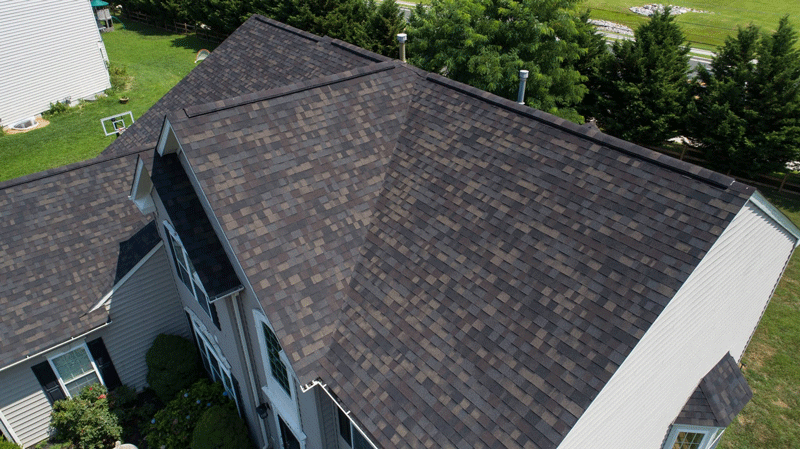
What Makes a Roof Energy-Efficient?
An energy-efficient roof helps manage how much heat enters and leaves your home. Several factors affect performance, including roofing material, color, reflectivity, insulation, attic ventilation, and the overall design of the roof system.
Roofs with better solar reflectance can stay cooler in hot weather, which helps reduce the load on your air conditioner. Just as important, proper insulation and ventilation help prevent attic heat buildup and moisture problems. That means your roof works best when every part of the system is designed to support efficiency.
Best Roofing Materials for Efficiency
Some roofing materials perform better than others when it comes to managing heat. Metal roofing is often one of the most energy-efficient options because it reflects sunlight well and does not retain heat for as long. Energy-efficient asphalt shingles are another strong choice, especially when they use reflective granules or lighter colors.
Tile roofing can also be a good option when paired with reflective coatings or lighter tones. For flat or low-slope roofs, cool roof membranes can help reduce heat absorption and improve overall performance. The best material depends on your roof style, your property, and the goals you have for your home.
How Roofing Affects Utility Bills
A roof that absorbs too much heat can force your cooling system to work harder during the summer. That extra strain can lead to higher utility bills and less comfortable indoor temperatures. Energy-efficient roofing helps reflect sunlight, reduce heat transfer, and support a more stable indoor environment.
For homeowners across Delaware, Delaware County, PA, and Cecil County, MD, this can be especially helpful during hot, humid months. A better-performing roof can reduce cooling demand and help your home stay more comfortable without overworking your HVAC system.
Why Insulation and Ventilation Matter
Even the best roofing material will not perform well without proper insulation and ventilation. Insulation helps keep conditioned air inside your home, while ventilation allows hot air and moisture to escape from the attic. Together, they play a major role in roof efficiency and long-term performance.
When attic ventilation is poor, heat can build up and make your roof system less effective. Moisture can also become trapped, which may lead to damage over time. For homeowners in Delaware and the surrounding region, making sure the whole roof system works together is one of the best ways to improve energy performance.
Signs Your Roof May Be Wasting Energy
If your home has uneven temperatures, rising energy bills, or a hot attic in summer, your roof may not be doing its job efficiently. Older roofs, dark roofs, and roofs with poor ventilation often absorb and hold more heat than newer, more efficient systems.
Other warning signs include:
- High cooling costs during warmer months.
- Rooms that stay warmer than others.
- Excessive attic heat.
- Damaged or aging shingles.
- Poor airflow in the attic.
If you notice these issues in your Delaware, Delaware County, PA, or Cecil County, MD home, a professional roof inspection can help determine whether repairs, improved insulation, or a full replacement may be the right solution.
Why Homeowners Choose Energy-Efficient Roofing
Homeowners often choose energy-efficient roofing for three main reasons: lower energy use, improved comfort, and stronger long-term value. A cooler roof can also reduce stress on roofing materials and help extend the life of the system.
That makes energy-efficient roofing a practical investment, not just a design choice. For homeowners throughout Delaware and nearby communities in Pennsylvania and Maryland, it is a smart way to improve everyday comfort while helping manage long-term costs.
Why Work with Janes Exteriors
Choosing the right roof is easier when you work with a team that understands materials, ventilation, insulation, and local weather conditions. Jane’s Exteriors helps homeowners find roofing solutions that balance durability, appearance, and efficiency.
Based in Delaware and serving homeowners throughout Delaware, Delaware County, PA, and Cecil County, MD, Janes Exteriors can help you choose the right roofing system for your property. Whether you are replacing an old roof or looking for ways to improve the efficiency of your current one, a professional assessment can point you in the right direction.
Final Thoughts
If your roof is aging or underperforming, energy-efficient roofing may be the right upgrade for your home. A better roof can help lower energy costs, improve comfort, and support long-term performance.
Janes Exteriors is ready to help homeowners across Delaware, Delaware County, PA, and Cecil County, MD find the right roofing solution for their property.
FAQ
What is an energy-efficient roof?
An energy-efficient roof is designed to reflect more sunlight, reduce heat transfer, and help your home stay cooler and more comfortable.
What roofing material is best for energy efficiency?
Metal roofing is often one of the best options, but cool asphalt shingles, tile, and reflective roof membranes can also perform well depending on your home.
Does attic ventilation affect roof efficiency?
Yes. Proper ventilation and insulation are essential because they help control heat and moisture in the attic.
Can an existing roof be made more efficient?
In some cases, yes. Improvements may include better insulation, ventilation upgrades, or reflective coatings depending on the roof type and condition.